Business Name: BeeHive Homes of Bosque Farms
Address: 1935 Bosque Farms Blvd, Bosque Farms, NM 87068
Phone: (505) 357-0505
BeeHive Homes of Bosque Farms
Beehive Homes of Bosque Farms assisted living care is ideal for those who value their independence but require help with some of the activities of daily living. Residents enjoy 24-hour support and caring assistance, private rooms and home-cooked meals. Assisted living should feel like home. Welcome home!
1935 Bosque Farms Blvd, Bosque Farms, NM 87068
Business Hours
Monday thru Sunday: 9:00am to 5:00pm
Facebook: https://www.facebook.com/BeehiveHomesBosqueFarms
Families typically ask a version of the exact same question: "Is Mom better off in a big assisted living community with lots of services, or a small home where everyone understands her name?"
After twenty years working around senior care and strolling dozens of households through this decision, I have actually stopped giving fast responses. The size of a home forms nearly whatever that follows: how fast staff notification modifications, how calmly a person with dementia can move through their day, how safe a frail resident feels taking a shower, how respite care in fact feels like rest for the family.
The right size is less about square video and more about what that space does to human behavior. Sound, presence, staffing patterns, even how far the dining room is from the bed room, all work together to make care much easier or more difficult. Understanding those characteristics helps households choose sensibly amongst assisted living, memory care, respite care, and longer-term elderly care options.
How scale changes senior care on the ground
A hundred-bed assisted living neighborhood and a six-bed residential care home might advertise comparable services: meals, support with bathing, medication management, social activities. On paper, they can look interchangeable. In practice, their size reshapes nearly every routine.
In a larger assisted living neighborhood, there is often a clear structure. Standardized care strategies, printed activity calendars, a dedicated memory care wing, nurses on-site for more hours, and specialized personnel for tasks like transportation or house cleaning. People who grow on variety and enjoy seeing numerous faces often enjoy this environment.
In a smaller sized home setting, structure comes more from routine and individual relationships. The caretaker who helps with breakfast normally likewise notices if someone slept poorly. Schedules flex more easily around individual preferences. A resident can wake later on without missing the only breakfast seating of the day. Rather of a "program," you get a home rhythm.
Neither model is automatically better. The everyday truths of dementia, mobility loss, or post-hospital recovery will figure out which scale enhances quality of life and which amplifies stress.
Memory care and the function of environment
For individuals coping with dementia, area is not neutral. The level of stimulation, range in between key locations, and sheer number of people encountered every day can either soothe the nervous system or keep it on high alert.
In very large memory care units, I have actually viewed citizens end up being overwhelmed simply strolling to lunch. The route might include a long passage, a busy lobby, or a loud elevator ride. By the time they reach the dining room, their stress and anxiety is currently raised, and the real meal becomes another difficulty. Staff do their best, but the architecture and tenancy work against them.
By contrast, in a well-run, smaller memory care home, the table typically sits within sight of the living-room chairs. A resident can see where everybody is gathering and drift there at their own rate. There are less people, fewer contending sounds, and shorter ranges. Someone who may be labeled as "exit seeking" in a big system often appears less uneasy when they can safely speed a little yard or walk a brief loop around a single-story home.
Scale likewise affects how rapidly subtle changes are discovered. In a large memory care unit with rotating staff, a resident's brand-new confusion or small change in gait might not sign up for days unless it crosses a significant threshold. In a smaller sized home, two caretakers might immediately mention, "She appears off today" and call the nurse or family early. That can be the difference in between catching a urinary tract infection early or handling an avoidable hospitalization later.
At the exact same time, big memory care programs tend to offer more customized activity personnel and structured engagement. For a more youthful person with early-onset Alzheimer's who still takes pleasure in group discussion, music programs, or customized exercise classes, the offerings in a bigger neighborhood can improve mood and preserve function. A little home may lean greatly on television, easy crafts, or informal conversation, which serves some citizens well but not everyone.
The core question is how the individual's particular type and stage of dementia interacts with stimulation, crowding, and routine. Someone who was constantly sociable and enjoys variety might endure or even accept a larger assisted living memory care system. An individual who has actually begun to withdraw, ends up being easily shocked, or fixates on loud environments might function far better in a home-sized setting.
Respite care: stress test or soft landing?
Respite care is short-term senior care, often lasting from a couple of days to a few weeks, meant to give household caregivers rest or cover a space after hospitalization. The setting can be a bed in a large assisted living community, a devoted respite program, or a room in a smaller residential home.
Here, size affects not just the resident's experience however likewise how well the respite period answers a crucial concern: "Could this end up being a good long-term option?"
Larger communities use respite stays as trial runs. A brand-new resident may stay for 2 weeks after a surgery while the household assesses whether assisted living might be an irreversible step. During that time, personnel can observe care requirements, test fall risk methods, and assess how the person finishes with group dining and structured activities. If the shift to full-time residency happens, connection is reasonably smooth because systems are currently in place.
However, bigger environments can feel disorienting for someone already overwhelmed by modification. They may invest much of the respite period just trying to determine where their room is, who to ask for assistance, and how to handle noise and crowds. Family sometimes misread that distress as proof that their loved one "might never ever thrive anywhere except home," when what they are really seeing is the interaction between cognitive problems and a big, complex setting.
Small homes can provide a gentler on-ramp for respite care. The variety of people to discover is limited, the physical design is simple, and regimens are simple to follow: breakfast smells from the next room, the very same caregiver knocking each early morning, the very same 2 or 3 residents at the cooking area table. Family caretakers often feel more comfy leaving a spouse or parent in such an environment for the very first time.
Yet, the really intimacy that makes respite care in a small home easy can likewise obscure longer-term needs. A couple of extremely mindful caregivers can compensate for increasing behavioral challenges during a short stay, but the home might not have protected doors, on-site medical oversight, or the staffing depth to sustain that effort over lots of months or years. For respite, it can look suitable. For the next phase of memory care, it may be inadequate.
When families use respite care to test a future living option, the size question matters: Are you seeing how your loved one reacts to this particular structure and its regimens, or are you overgeneralizing from a short encounter with a scale of care that will not be sustainable as needs escalate?
Long-term assisted living and the weight of routine
Long-term elderly care in assisted living is essentially a negotiation between stability and versatility. Size of setting affects both.
Large assisted living neighborhoods typically maintain stability through formalized systems. Care strategies are upgraded regularly, medication lists are reviewed by central pharmacy partners, and nurses track weight trends, hospitalizations, and care level changes. If one caretaker leaves, another actions in following documented regimens. Citizens gain from redundancy and institutional memory.
The compromise is that versatility generally requires multiple approvals. Changing a shower time, altering from group dining to in-room meals, or altering how toileting support is supplied may need to go through managers and electronic charting systems. The family might feel they are continuously filling out forms and waiting for changes to be executed. For residents whose requires shift regularly, that delay can lead to aggravation or even preventable health issues.
In a little home, flexibility is immediate. If a resident sleeps badly and wakes up upset, breakfast can wait, and a caretaker can sit with them silently. If somebody starts sundowning at 4 p.m., the television can go off, lights dimmed, and familiar music began without a committee meeting. The entire home can respond as one organism due to the fact that there are fewer moving parts.
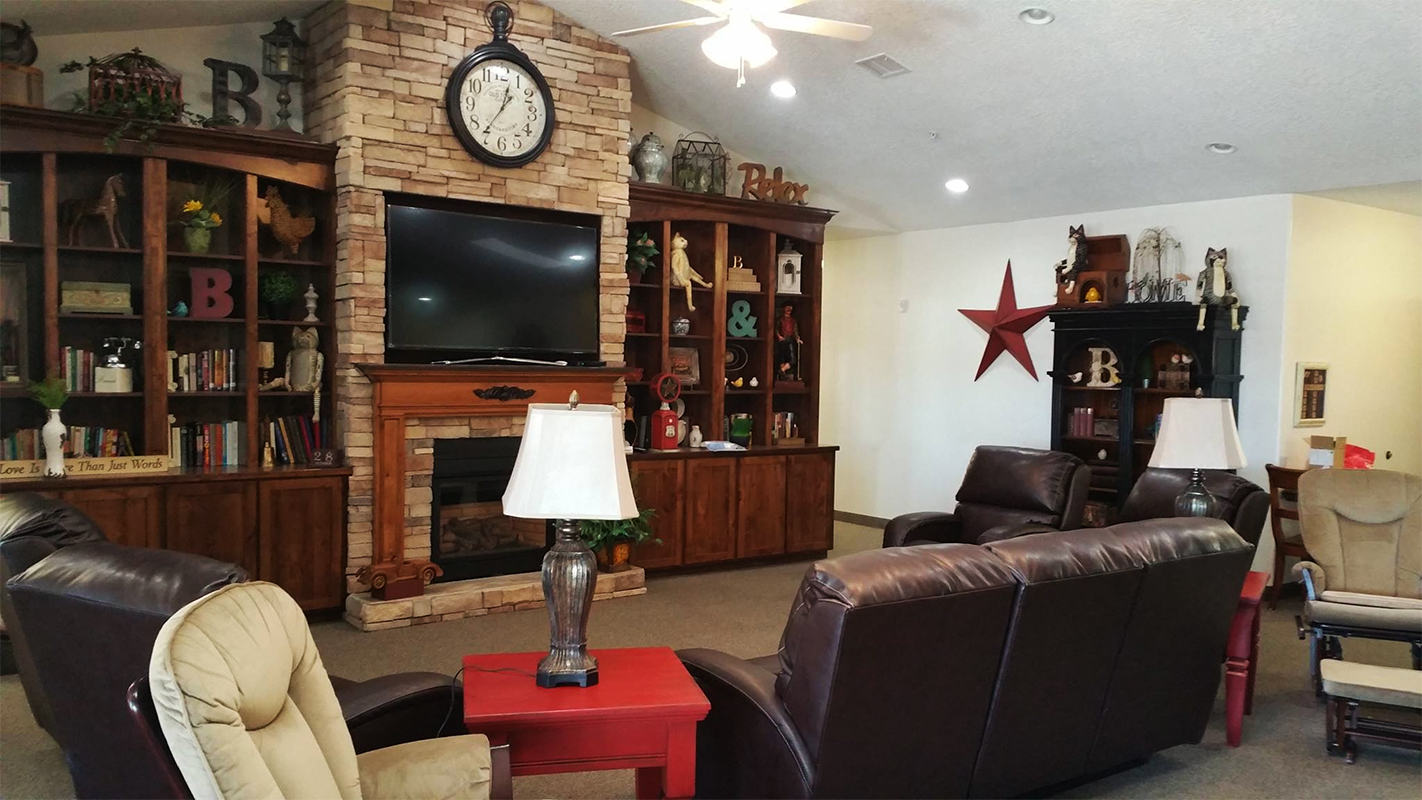
Yet, little settings often have problem with formal quality control. Weight patterns might be tracked by hand on a clipboard. Medication disparities may rely on a single certified nurse capturing them during a weekly visit. When care is offered by instinct and close observation, it can feel more individual, however it is easier for patterns to be missed when work spike or personnel change.
I have seen homeowners in both kinds of settings thrive and decrease. The key factor is whether the size of the home supports a stable, foreseeable routine that still has room for customization. Life for an older adult with frailty or dementia ought to feel like a well-worn course, not a challenge course.

Safety, staffing, and visibility
Families rightly ask about staffing ratios, however ratio numbers alone do not tell the whole story. How far personnel needs to stroll to react to a call, the number of doors they must keep an eye on, and how quickly they can aesthetically scan an area all shift considerably with home size.
In a big assisted living structure with long corridors and several floors, it is common to see centralized nurse stations and call light systems. Action times may be kept an eye on electronically, and personnel carry phones or pagers. A two-person help for transfers is easier to set up due to the fact that there are more staff in the structure, however beehivehomes.com respite care getting the second person to the room might take time, particularly throughout peak hours like early morning care.
In a smaller residential care home, a caretaker may stand up from the table and reach every bed room in less than thirty seconds. Alarms are typically low-tech: a simple bell on a door, chimes, or motion sensors that play a sound. Visual guidance is consistent, not because of advanced technology, but due to the fact that there merely are few separate spaces to manage.
That proximity enhances response to falls and subtle changes however comes at an expense if staffing collapses. In a 6 to 10 bed home, one caretaker calling out sick can halve the labor force for the day. Agencies and backup caretakers can fill the space, however training consistency suffers, and citizens might feel the disturbance more acutely.
Large communities are less fragile because sense. Sick calls are absorbed more quickly, and there is often a staffing workplace or scheduler whose job is to preserve protection. However, the large size can mask pockets of understaffing: a far wing where one caregiver quietly manages a lot of individuals, or a memory care system that borrows personnel routinely for emergencies in assisted living.
Visibility also affects self-respect. In smaller sized homes, staff and homeowners see each other continuously, which increases familiarity but can reduce privacy. Doors left open for safety might expose individual care more readily. In bigger settings, locals can retreat to personal rooms, however personnel may not observe isolation or subtle withdrawal as quickly.
Social life, identity, and option of scale
Human beings do not stop needing identity and purpose at 85. The type of social environment shaped by home size can either support that requirement or flatten it.
Large assisted living neighborhoods resemble small villages. Residents can find other card gamers, fellow retired instructors, or veterans. Activity calendars may include lectures, spiritual services, fitness classes, and intergenerational visits. For higher operating older grownups with great movement, this range can maintain a sense of self and keep anxiety at bay.
Yet, homeowners with movement disability or cognitive decrease typically struggle to get involved. Fars away, puzzling layouts, or the need to demand escort help make spontaneous engagement unusual. Activities risk ending up being the domain of the "well seniors," while those requiring more extensive elderly care stay in their rooms, gone to generally by aides on tight schedules.
In smaller sized homes, social life focuses around shared spaces. The living-room, cooking area table, and yard are the main phases. Group size is small enough that even quieter locals are understood, and everyday rituals such as folding towels, assisting set the table, or seeing the very same program create micro-communities. Repeated, familiar interactions are often much better endured by people with memory loss.
The drawback is minimal choice. If three homeowners love game shows and one wants symphonic music, compromise ends up being needed. Varied interests are harder to accommodate. A resident who craves more intellectual stimulation or larger social circles might start to feel confined.
When assessing size, households should ask: Does my parent draw energy from larger groups and structured programs, or do those situations leave them drained pipes and irritable? Do they still initiate new relationships, or do they rely greatly on familiar faces? The sincere answers point toward the scale of setting more than likely to support emotional health.
Cost, policy, and covert trade-offs
Financial realities often shape options as much as clinical requirements. Larger assisted living and memory care communities normally carry higher overhead: industrial kitchen areas, management staff, compliance groups, transport services, and marketing. Month-to-month rates reflect those expenses. On the other hand, their scale can permit them to accept higher acuity residents under distinct care levels, potentially postponing or avoiding a transfer to nursing home care.
Smaller residential care homes might be more economical or similarly priced, depending upon area and staffing design. They might have lower structure and administrative costs but greater per-resident staffing expenses since each caretaker is supporting fewer locals. Some provide very competitive rates at first, then add charges as care needs grow, simply as bigger centers do.
Regulation adds another layer. In some states, little homes run under the very same licensing rules as huge assisted living facilities. In others, they fall under different classifications with distinct staffing or training requirements. A lovely house with attentive caretakers is not always geared up to manage complex medical needs or behavioral issues, regardless of good intentions.
Families in some cases overstate what either model can do. Neither standard assisted living nor little residential homes function as full medical centers. For homeowners with unsteady medical conditions, severe behavioral signs, or late-stage dementia needing constant nursing oversight, nursing homes or specialized behavioral health centers might become needed, regardless of choices about home size.
The practical judgment depends on choosing a setting that can competently manage the next several years, not just the next three months.
When larger assists, and when smaller sized heals
Patterns emerge when you follow citizens through various types of senior care long enough.
Larger assisted living or memory care units tend to work well when:
- The resident takes pleasure in structured activities, group settings, and variety. Medical needs are moderately complicated, with frequent medication changes or monitoring. The family values on-site nursing existence and formalized oversight. Social identity is still strong, and the individual loves wider peer groups.
Smaller residential or home-like settings tend to work well when:
- The resident becomes overwhelmed by noise, crowds, or complex layouts. Dementia has progressed to the point where routine and familiarity matter more than variety. Mobility is limited, and shorter ranges enhance security and lower falls. The household values direct, individual communication with the exact same little group of caregivers.
These are tendencies, not stiff guidelines. There are quiet corners in huge buildings and vibrant discussions in little homes. What matters is the dominant pattern and how it lines up with the resident's temperament, health, and history.
A useful way to examine size for your household member
Families often feel pressure to decide quickly, especially after a hospitalization. A brief, systematic method helps cut through marketing language and concentrate on how an area in fact functions.
Here is a focused checklist you can use when visiting or thinking about choices:
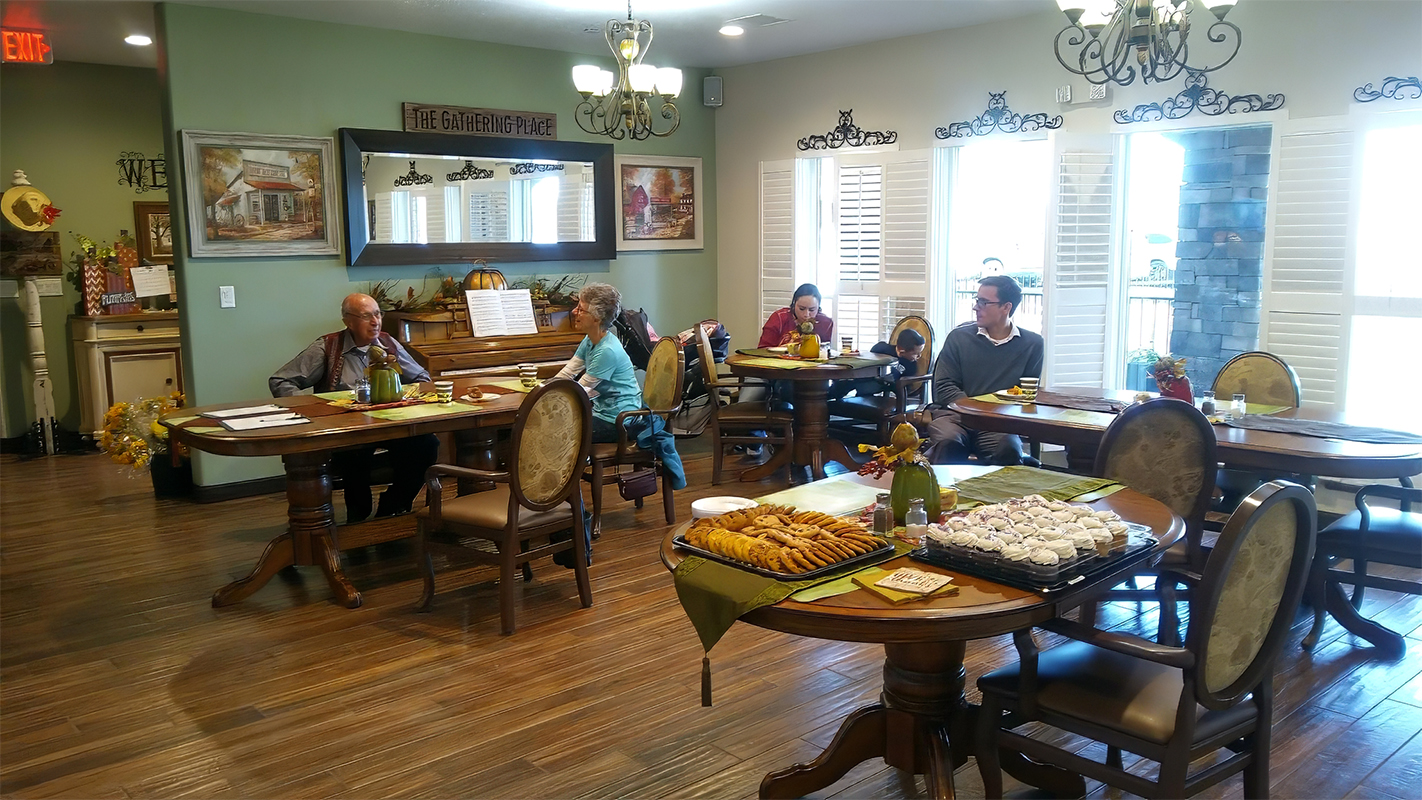
- Walk from a resident room to the dining area and common areas as if you had arthritis or utilized a walker, and decide whether that day-to-day journey would be realistic. Ask how many various caretakers will typically assist your member of the family in a week, and how typically personnel assignments change in between wings or shifts. Observe noise levels at peak times, such as meal service or shift change, and enjoy how residents with memory issues respond. Request examples of how the home handled a resident's increasing needs over time, including any relocations between systems or changes in staffing support. Clarify what takes place if your member of the family needs more memory care or medical oversight than the setting can provide, and how that shift is managed.
The answers will hardly ever point easily to "huge" or "little" as the perfect. Instead, they expose how that particular assisted living or memory care environment uses its size: whether it amplifies chaos, or channels scale into safety, familiarity, and authentic human attention.
Over time, it is the fit between person, staff, and environment that figures out the quality of senior care, not the sales brochure's picture of a theater or the comfort of a front deck. The job is to see past the surface and comprehend what the structure's size actually does to daily life, moment by minute, for the person you love.
BeeHive Homes of Bosque Farms provides assisted living care
BeeHive Homes of Bosque Farms provides memory care services
BeeHive Homes of Bosque Farms provides respite care services
BeeHive Homes of Bosque Farms supports assistance with bathing and grooming
BeeHive Homes of Bosque Farms offers private bedrooms with private bathrooms
BeeHive Homes of Bosque Farms provides medication monitoring and documentation
BeeHive Homes of Bosque Farms serves dietitian-approved meals
BeeHive Homes of Bosque Farms provides housekeeping services
BeeHive Homes of Bosque Farms provides laundry services
BeeHive Homes of Bosque Farms offers community dining and social engagement activities
BeeHive Homes of Bosque Farms features life enrichment activities
BeeHive Homes of Bosque Farms supports personal care assistance during meals and daily routines
BeeHive Homes of Bosque Farms promotes frequent physical and mental exercise opportunities
BeeHive Homes of Bosque Farms provides a home-like residential environment
BeeHive Homes of Bosque Farms creates customized care plans as residents’ needs change
BeeHive Homes of Bosque Farms assesses individual resident care needs
BeeHive Homes of Bosque Farms accepts private pay and long-term care insurance
BeeHive Homes of Bosque Farms assists qualified veterans with Aid and Attendance benefits
BeeHive Homes of Bosque Farms encourages meaningful resident-to-staff relationships
BeeHive Homes of Bosque Farms delivers compassionate, attentive senior care focused on dignity and comfort
BeeHive Homes of Bosque Farms has a phone number of (505) 357-0505
BeeHive Homes of Bosque Farms has an address of 1935 Bosque Farms Blvd, Bosque Farms, NM 87068
BeeHive Homes of Bosque Farms has a website https://beehivehomes.com/locations/bosque-farms/
BeeHive Homes of Bosque Farms has Google Maps listing https://maps.app.goo.gl/VeA8p86Gp4TSGBN7A
BeeHive Homes of Bosque Farms has Facebook page https://www.facebook.com/BeehiveHomesBosqueFarms
BeeHive Homes of Bosque Farms won Top Assisted Living Homes 2025
BeeHive Homes of Bosque Farms earned Best Customer Service Award 2024
BeeHive Homes of Bosque Farms placed 1st for New Mexico Senior Living Communities 2025
People Also Ask about BeeHive Homes of Bosque Farms
What is the monthly room rate at BeeHive Homes of Bosque Farms?
Monthly room rates are based on each resident’s individual care needs. Before move-in, we complete an initial evaluation to better understand the level of support, assistance, and daily care that may be needed. This helps us provide a clear monthly rate that reflects the resident’s personalized care plan. We believe families deserve honest conversations and transparent pricing, with no hidden costs or surprise fees.
Can residents stay at BeeHive Homes of Bosque Farms through the end of life?
In many cases, yes. Our goal is to help residents remain in the comfort of a familiar, homelike setting for as long as their needs can be safely and appropriately met. There may be exceptions if a resident requires a higher level of skilled nursing care, ongoing medical treatment beyond assisted living services, or if safety concerns arise. When those moments come, we work with families, physicians, and care partners to help guide the next step with compassion and clarity.
Does BeeHive Homes of Bosque Farms have a nurse on staff?
BeeHive Homes of Bosque Farms does not have a full-time nurse living on-site, but we do have access to a consulting nurse. If a resident needs additional nursing services, a physician may order home health services to come directly into the home. This allows residents to receive supportive care in a comfortable residential environment while still having access to outside clinical services when appropriate.
What are the visiting hours at BeeHive Homes of Bosque Farms?
We welcome family visits and understand how important it is for residents to stay connected with the people they love. Visiting hours are flexible and are adjusted around the needs of each resident and family. We simply ask that visits be respectful of residents’ routines, rest, meals, and the peaceful rhythm of the home — not too early, not too late, and always centered on what is best for the resident.
Are couples’ rooms available at BeeHive Homes of Bosque Farms?
Yes, BeeHive Homes of Bosque Farms may have rooms designed to accommodate couples, depending on availability. For many couples, staying together while receiving the right level of assisted living support can bring comfort, familiarity, and peace of mind. We encourage families to ask about current room options, availability, and how care plans can be personalized for each spouse.
What makes BeeHive Homes of Bosque Farms different from larger assisted living facilities near Albuquerque?
BeeHive Homes of Bosque Farms offers care in a smaller, residential-style setting rather than a large institutional facility. Nestled in the quiet village of Bosque Farms, just south of Albuquerque, our homes are designed to feel personal, peaceful, and familiar. Residents receive support with daily needs in a setting where caregivers can truly get to know their routines, preferences, and personalities. For families looking for assisted living near Albuquerque with a more intimate, homelike feel, BeeHive Homes of Bosque Farms offers a comforting alternative.
Is BeeHive Homes of Bosque Farms a good option for families in Los Lunas, Peralta, Belen, and Albuquerque?
Yes. BeeHive Homes of Bosque Farms is conveniently located in Valencia County and serves families throughout Bosque Farms, Los Lunas, Peralta, Belen, and the greater Albuquerque area. Its location on Bosque Farms Boulevard offers families a peaceful village setting while still being close enough for regular visits, appointments, and family involvement. For many families, that balance of quiet surroundings and nearby access makes BeeHive Homes of Bosque Farms a natural choice for assisted living and memory care.
Where is BeeHive Homes of Bosque Farms located?
BeeHive Homes of Bosque Farms is conveniently located at 1935 Bosque Farms Blvd, Bosque Farms, NM 87068. You can easily find directions on Google Maps or call at (505) 357-0505 Monday through Sunday 9:00am to 5:00pm
How can I contact BeeHive Homes of Bosque Farms?
You can contact BeeHive Homes of Bosque Farms by phone at: (505) 357-0505, visit their website at https://beehivehomes.com/locations/bosque-farms/ or connect on social media via Facebook
Bosque Farms Community Center offers open green space where residents in assisted living, memory care, senior care, elderly care, and respite care can enjoy peaceful outdoor relaxation.